
Bandhavgarh National Park
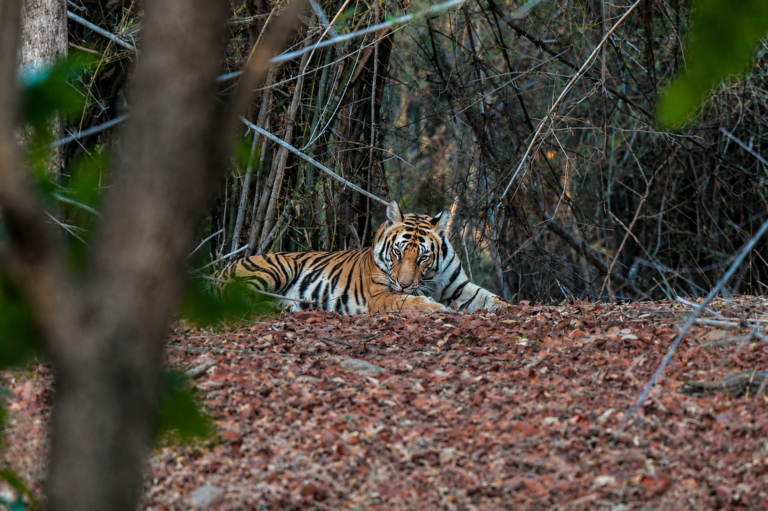
India's highest tiger density.Set in the Vindhya hills of Umaria district in Madhya Pradesh, Bandhavgarh was declared a national park in 1968 and has since earned a reputation for the highest tiger density in India. The landscape layers wildlife with history and myth: a hilltop plateau crowned by the ancient Bandhavgarh Fort, weathered cave shrines, and dense sal forest stretching below. It is a place where a serious wildlife adventure comes steeped in the region’s past.
Best Time to Visit
The reserve is open from mid-October to the end of June, with the core zones shut during the July–September monsoon. November to February brings cooler, greener conditions that suit general game viewing and birding, while the hotter March–June stretch delivers the strongest tiger sightings as animals congregate around shrinking waterholes. Note that the park stays closed on Wednesday evenings.
Zones
Three core zones anchor the park. Tala is the oldest and most sought-after, home to the historic Bandhavgarh Fort and the Chakradhara meadow. Magadhi is prized for its grasslands and reliable tiger encounters. Khitauli, to the west, rewards birders and offers good chances of leopard and sloth bear. Buffer zones — Dhamokhar, Johila and Panpatha — supplement the core, and some remain open year-round.
How to Reach
The nearest airport is Jabalpur, roughly 200 km away, with connections from Delhi and Mumbai. By rail, the closest railheads are Umaria (about 37 km), Katni (around 100 km) and Jabalpur (near 180 km), with a road transfer onward to the park.
Shared Safaris in Bandhavgarh National Park
Ready to Explore Bandhavgarh National Park?
Wildlife
Beyond the celebrated Bengal tiger, the forest shelters leopard, sloth bear, spotted deer, sambhar, gaur, jackal, wild boar and langur. Birdlife is rich too, with more than 250 recorded species.
Safari Types
Choose from a morning jeep safari of about five hours starting at dawn, a shorter evening jeep drive of roughly three hours, or a full-day outing across all core zones. Larger groups can travel by canter. Every drive is accompanied by a trained naturalist.